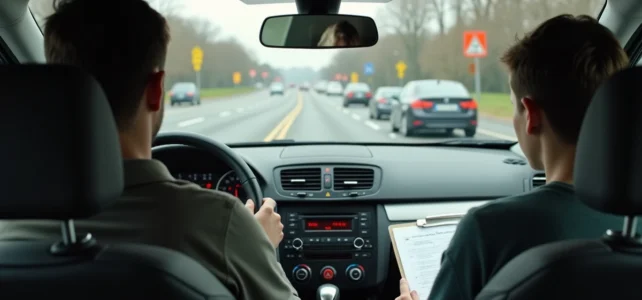
The pass rate for the driving test varies significantly from country to country. Some states impose lengthy procedures, high pass thresholds, and mandatory training that make obtaining a license particularly challenging. This ranking is based on a combination of several criteria: the number of required training hours, the cumulative cost of the tests, the severity of theoretical and practical tests, and prior medical requirements.
To consult a ranking of difficult driving tests with detailed analyses, several sources cross-reference these same parameters.
1. Finland
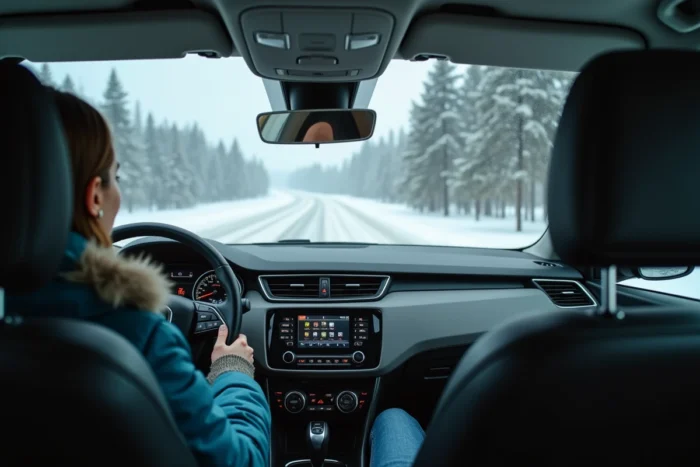
Finland requires mandatory training on ice and snow before candidates can take the practical exam. This constraint, unique in its rigor, forces each candidate to master emergency braking and trajectory control on slippery surfaces.
The training program spans several months, with theoretical and practical phases interspersed with periods of supervised driving. The total cost of training is among the highest in Europe, adding a financial barrier to the technical difficulty.
2. Croatia
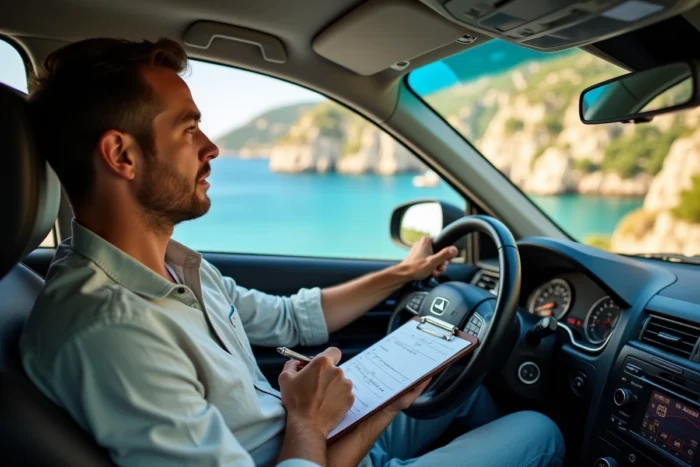
Croatia has tightened its requirements to rank among the strictest countries according to the Zutobi study. The practical exam is known for its severity: examiners assess not only technical mastery but also the driver’s ability to anticipate dangerous situations.
The number of mandatory driving course hours far exceeds the European average. Failing the practical test imposes a waiting period and additional fees that complicate the process.
3. Belgium
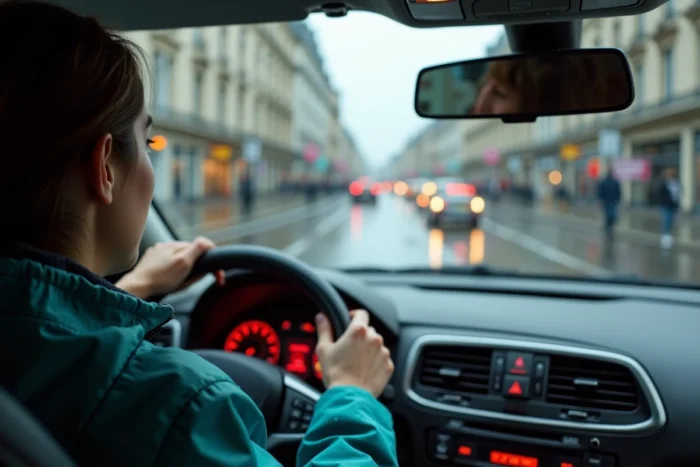
The Belgian theoretical exam consists of 50 questions with a passing threshold of 41/50. The serious fault system, which deducts 5 points at once, makes each mistake potentially disqualifying.
Since this revision of criteria, failures have become increasingly common according to local training stakeholders. Belgium ranks eighth globally for the overall severity of its system in the Zutobi study, but the actual difficulty of its theoretical exam places it much higher in terms of selectivity.
4. Norway

Norway combines two obstacles: high technical difficulty and the most expensive exam in the world. The combined fees for the theoretical and practical tests reach around 202 US dollars, not including driving lessons.
The training includes modules for driving in difficult conditions (mountain roads, tunnels, adverse weather). The Norwegian approach prioritizes accident prevention through comprehensive preparation rather than just a skills check on the day of the exam.
5. Japan

Japan requires a practical exam on a closed circuit before allowing driving on open roads. This initial filter eliminates a significant portion of candidates. Those who pass then take a test in real traffic conditions.
Foreign residents wishing to convert their license must also undergo this practical exam, even if they have been driving for years. The precision of the required maneuvers (millimeter parking, controlled speed turns) exceeds what most Western countries demand.
6. Netherlands
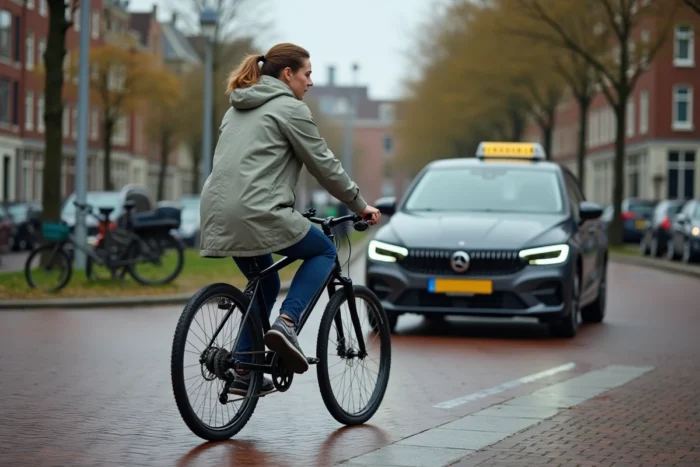
The Dutch practical exam costs about 133 US dollars, making it the most expensive in the world for this single test. The constant coexistence with cyclists adds a difficulty that few other countries replicate.
Examiners assess the candidate’s ability to manage dense traffic situations involving pedestrians, bicycles, and public transport simultaneously. A lack of vigilance towards a cyclist constitutes a disqualifying fault.
7. United Kingdom
The United Kingdom combines a two-part theoretical test (questionnaire and hazard perception) with a rigorous practical exam. The “hazard perception” part is an interactive video format where the candidate must identify hazards in real-time.
- Theoretical questionnaire with a high passing threshold on road safety questions
- Hazard perception test on screen, timed
- Practical test including independent driving and required maneuvers
This triple filtering explains why the first-time pass rate remains low compared to other English-speaking countries.
8. Singapore
Singapore requires candidates to undergo their training at one of the accredited driving schools or to go through a private lesson system with a certified instructor. The practical test first takes place on a circuit and then in traffic.
The density of traffic and the small size of the territory create exam conditions where even the slightest hesitation is penalized. A medical examination and vision test are required before any registration, adding administrative steps to the process.
9. France
France imposes a minimum of 20 hours of driving in a driving school (35 hours in a manual transmission for accompanied driving). The theoretical exam, the Highway Code, consists of 40 questions with a passing threshold of 35 correct answers.
The practical test lasts about 30 minutes and assesses independent driving, courtesy on the road, and management of complex intersections. The waiting times between attempts vary by department and can reach several weeks, significantly extending the journey for candidates who fail.
10. Germany
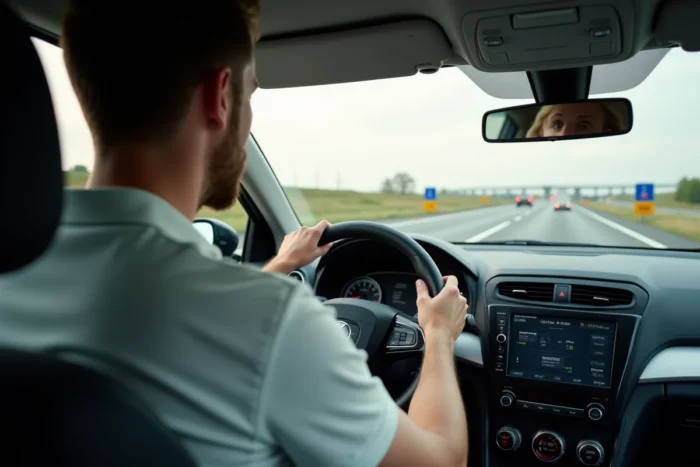
Germany does not impose a fixed number of driving hours but requires specific mandatory modules:
- Night driving on unlit roads
- Driving on the highway at high speed
- Driving on winding country roads
The theoretical exam includes sharp technical questions about vehicle mechanics and braking distances. The European directive 2023/2500 provides for an evolution of training content, particularly around driver assistance systems, with implementation estimated not before 2028 in Germany.
The overall cost of German training remains among the highest in Europe, which, combined with the technical rigor of the tests, places the country in this ranking despite apparent flexibility regarding the hourly volume.