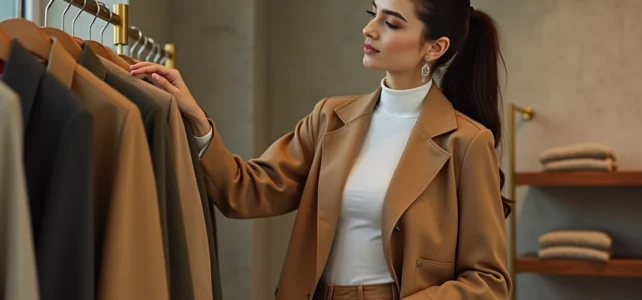
The law n°2026-602 of July 8, 2026, aimed at reducing the environmental impact of the textile industry, came into effect this month. It prohibits advertising for ultra-fast fashion products and imposes a penalty on the least durable items. In this new regulatory context, the fashion trends of the season take on a different dimension: adopting a trendy garment is no longer a trivial act, and brands must now justify their choices of materials and manufacturing.
Anti-fast fashion law and fashion trends: what changes concretely for seasonal purchases
The obligation to display manufacturing locations for textile products sold online alters the reading of a product sheet. Where a trendy dress used to be summarized by its cut and color, it now displays its geographical journey. Brands that relied on “flash” pieces produced in massive volumes find themselves exposed.
The prohibition on advertising for ultra-fast fashion also affects influencers, who can no longer promote these products. Ephemeral pieces lose their main channel of distribution. This constraint pushes creators to reposition their collections around longer-lasting garments, without giving up the visual codes of the season.
To follow the news on modeforyou.fr, the selections of pieces increasingly integrate this regulatory filter into their recommendations.
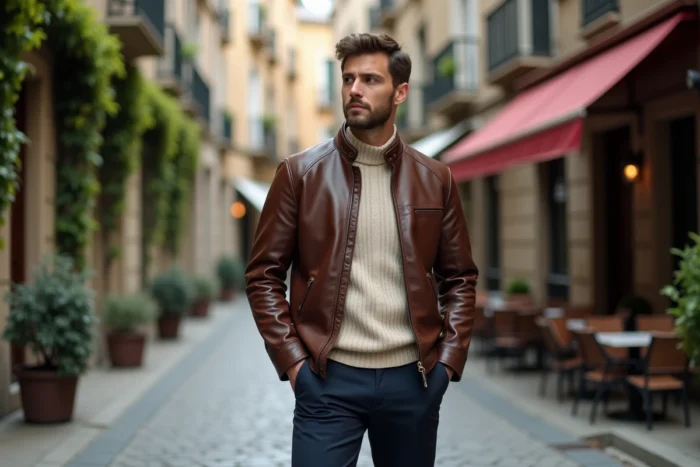
Hybrid materials and technical textiles: the fashion trend that is establishing itself sustainably
The intersection of natural fibers and technical textiles constitutes one of the underlying movements of the season. Mesh, recycled nylon, softshell: these materials, once confined to sportswear, are now integrated into everyday pieces. A blazer made from linen mixed with recycled nylon or cotton pants lined with softshell are no longer limited to the technical niche.
Hybrid materials respond to a need for urban functionality, not just to an aesthetic search. The garment must withstand frequent washing, support temperature variations, and dry quickly. These properties mechanically extend the lifespan of a piece, aligning with the requirements of the new regulation.
The available data does not yet allow for measuring the real impact of these materials on the complete life cycle of a garment. Recycled nylon remains a derivative of petroleum, and the carbon footprint of a technical textile heavily depends on its production chain. Field reports diverge on this point: some brands claim environmental gains, while others struggle to document their supply chain.
Volumes, layering, and XXL accessories: decoding the trendy silhouettes of the season
The seasonal wardrobe is structured around a compromise between volume and wearability. Loose cuts dominate tops and jackets, while some bottom pieces return to more fitted lines. Mastered layering replaces the simple oversized reflex.
This approach involves layering compatible pieces, which directs purchases towards versatile basics rather than single-use garments. An oversized sweater worn over a thin shirt, a short colorful jacket added to a neutral outfit: the system works when each element can stand alone.
Accessories that structure a look without multiplying purchases
XXL accessories (raffia bags, sculptural jewelry, shoes with marked soles) play a role as seasonal markers without requiring a complete wardrobe renewal. A strong accessory is enough to update an existing outfit.
- Raffia or woven material bags emerge as transitional pieces between spring and summer, wearable across several seasons if the quality of manufacturing holds up
- Thick-soled shoes or sculpted sandals serve as a visual anchor for a silhouette, even a simple one
- Voluminous jewelry (geometric earrings, wide bracelets) transforms a basic without generating additional clothing purchases

Wearing fashion trends without disposable purchases: the important trade-offs
The question is no longer whether a piece is trendy, but whether it will remain wearable next season. The penalty outlined in the anti-fast fashion law specifically targets garments with low durability, which increases the cost of the least qualitative items. The cost per use becomes a more reliable selection criterion than the purchase price.
Three filters allow for distinguishing a sustainable fashion trend from a fleeting fashion effect:
- Does the piece integrate into at least three outfits already present in your wardrobe, or does it require a complementary wardrobe to function?
- Do the material and finish justify regular use for at least two seasons (solid seams, wash-resistant fabric, stable colors)?
- Are the manufacturing location and composition clearly displayed, in accordance with the new legal obligations?
On the other hand, some strong trends of the season, such as bright colors (turquoise, butter yellow) or bold patterns (checks, transparent), pose a problem for stylistic longevity. Limiting these colors to accessories protects the main budget while capturing the seasonal signal.
Transparent or micro shorts, frequently mentioned in summer selections, illustrate the tension between the desire for novelty and the logic of sustainability. These pieces, highly identified with a season, risk remaining in a closet by autumn. Integrating them in small touches (a transparent top worn under a jacket, shorts reserved for the beach) limits waste without giving up on fashion enjoyment.
This season’s fashion is viewed through a dual prism: the aesthetic codes of the runway and the regulatory constraints that now frame their dissemination. The most relevant trends are those that survive this filter, from hybrid materials to versatile accessories, along with layering designed to last beyond a summer.