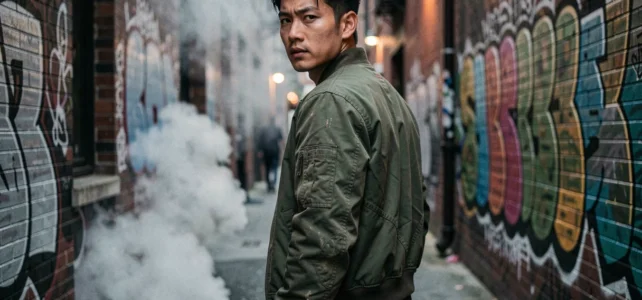
Wu Assassins season 2 marks a turning point in the series created by John Wirth and Tony Krantz. The narrative shifts away from the family framework and survival logic that structured the first season to pivot towards a conflict between criminal organizations on an international scale. This evolution changes the distribution of roles, narrative stakes, and the pacing of the episodes.
Babylon vs. Murthehelp: the new criminal geopolitics of Wu Assassins
In season 1, the plots revolved around a family legacy and a supernatural power entrusted to Kai Jin, played by Iko Uwais. The antagonists were from San Francisco’s Chinatown, and the confrontations remained confined to this perimeter.
Season 2 introduces Babylon, a transnational criminal organization that reshuffles the deck. The conflict extends beyond the local clan to pit factions of assassins active across multiple territories. The narrative dynamic shifts into open warfare.
Jeong Ji-an takes over the leadership of Murthehelp, coinciding with the geographical expansion of the narrative. For everything you need to know about Wu Assassins season 2, the arcs initiated in the film Fistful of Vengeance serve as a useful starting point.
The narrative threads woven in Fistful of Vengeance continue directly into the new episodes.
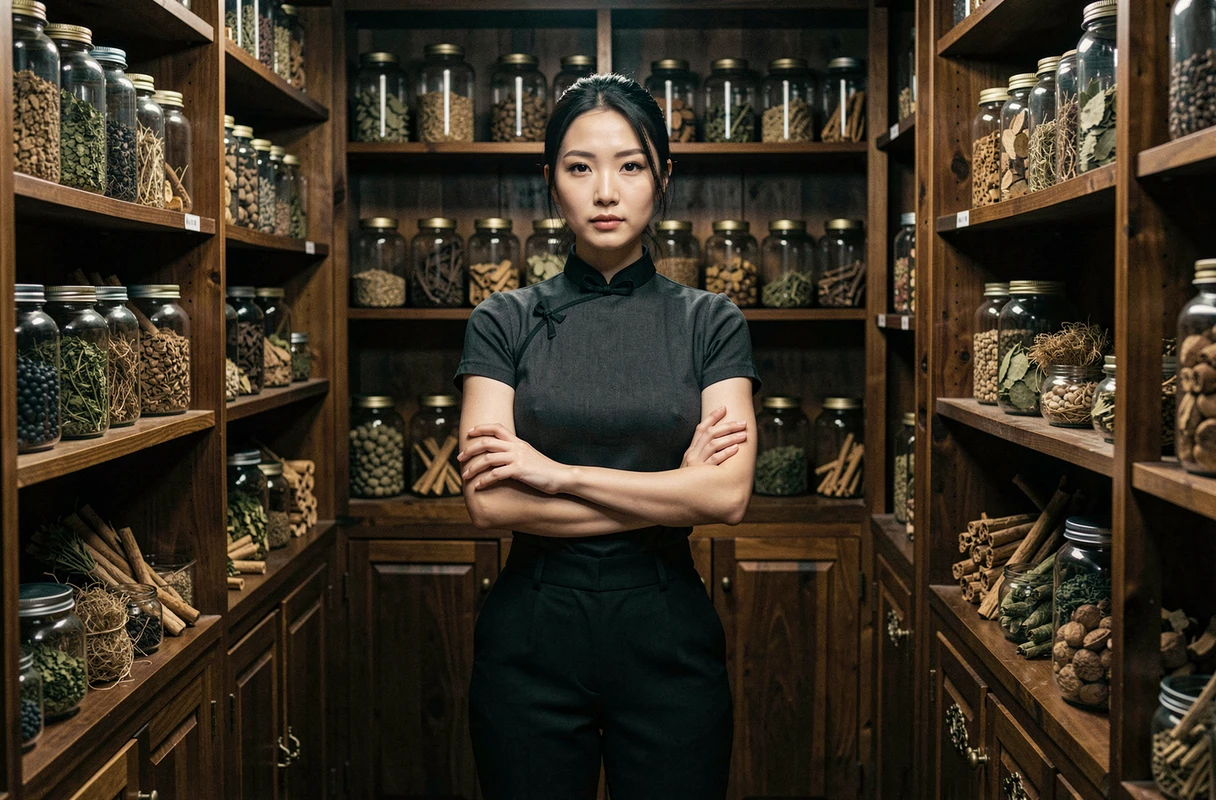
Three new characters that redistribute the balance of power
| Character | Role in season 2 | Faction |
|---|---|---|
| Kusanagi | Head of the East Asia branch | Babylon |
| Q | Tactical leader, sister of J | Babylon |
| J | Assassin with an unpredictable fighting style | Babylon |
Where season 1 relied on a small core centered around Kai Jin, the second multiplies points of tension with figures of contradictory motivations.
Kusanagi leads the East Asia branch of Babylon, anchoring the conflict in a geographical area that was previously absent. Her hierarchical positioning suggests that Babylon operates through autonomous regional cells, a model that complicates Murthehelp’s response.
Q and J form a family duo within Babylon. Q takes on a strategist role, while J engages in the field with a fighting style described as unpredictable. The sibling bond between Q and J creates internal tension within the antagonistic organization, a dynamic absent from the first season.
Jeong Ji-an, on the other hand, inherits a weakened structure. The season also explores what Jeong Jin-man did during his presumed disappearance, an arc that promises revelations about his true motivations and past connections.
Wu Assassins season 2: from survival to open warfare between factions
The first season posed the question “how to survive a dangerous legacy.” The second reframes the issue: “how to wage war when the enemy is everywhere.”
Several elements convey this escalation:
- The geographical expansion of the narrative moves away from the initial isolation to an international setting, with allies and adversaries spread across multiple countries
- The bounties and secret alliances between Babylon and Murthehelp extend the betrayals initiated in season 1
- The narrative perspective shifts towards Jeong Ji-an, offering a different view of the same events
- The increased number of antagonistic characters imposes tactical choices on the protagonists, where season 1 relied on individual confrontations
This shift from a narrative centered on a single hero to a choral structure alters the pacing of the episodes. Season 2 distributes screen time among several simultaneous arcs, reducing contemplative sequences in favor of a tighter narrative.
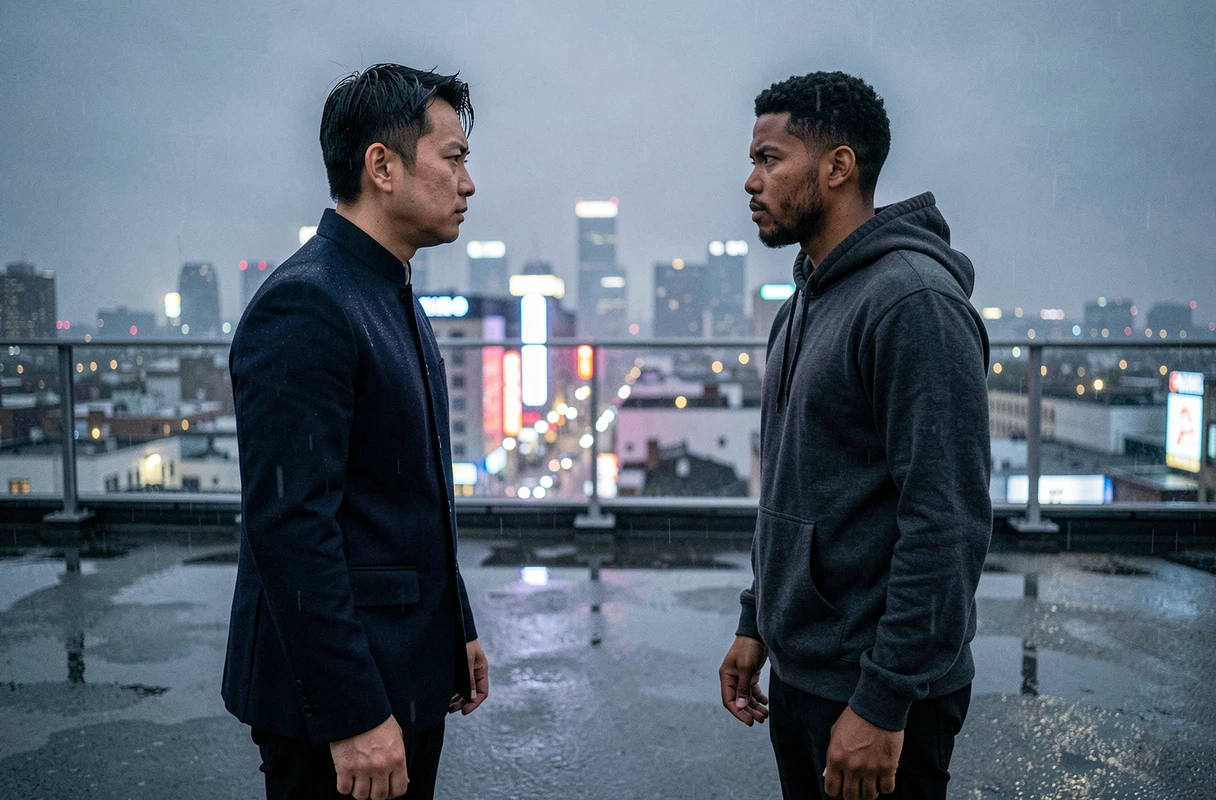
Expected revelations about the ties between Babylon and Murthehelp
Several questions remained unanswered after the first season: the exact nature of the powers transferred, the origin of the rival organizations, the deeper motivations of certain secondary characters. Season 2 addresses these gray areas head-on.
Previous betrayals within both organizations form a common thread. The bounties placed on certain characters suggest that members of Murthehelp may have collaborated with Babylon before the open conflict. If confirmed, this would retroactively alter the interpretation of season 1.
The disappearance of Jeong Jin-man remains the central mystery. The explanation for his absence, or his return, should shed light on the very foundations of Murthehelp. The writers hold a lever capable of reconfiguring alliances throughout the season.
What the expanded cast changes for the series
Byron Mann, Li Jun Li, Lewis Tan, and Tommy Flanagan made up the core of season 1 alongside Iko Uwais. The integration of Kusanagi, Q, and J redistributes screen time. The historical characters may lose individual development, but the series gains in geopolitical complexity.
Wu Assassins shifts from a supernatural martial arts series to an international crime thriller. The stakes of territory, hierarchy, and betrayal take precedence over the fantastical dimension. The creators’ gamble lies in the audience’s ability to follow this multiplication of fronts without losing attachment to the original characters.