Among the fashion trends of 2024, which ones have truly changed shopping habits and which have remained confined to the runways? The answer lies not only in the colors or cuts proposed by the fashion houses. It is also reflected in how the second-hand market, the search for sustainable quality, and the decline of logos have reshuffled the style deck.
Quiet luxury vs. fast fashion: two visions of style in 2024
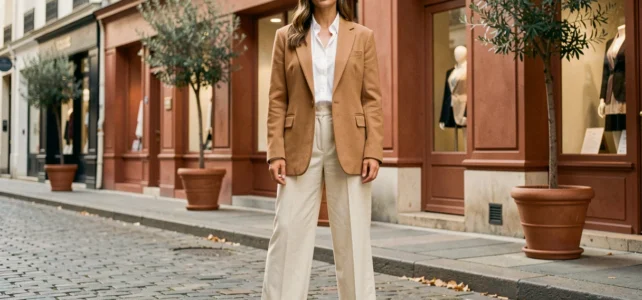
The most defining trend of 2024 is not a specific piece, but a positioning. Quiet luxury (minimalist clothing, low-logo, focusing on cut and material) has established itself as a sustainable spending framework, well beyond a mere seasonal craze.
In contrast, ultra-fast fashion has continued to flood the market with rapidly rotating pieces. The gap between these two models can be measured by several concrete criteria.
| Criterion | Quiet luxury | Ultra-fast fashion |
|---|---|---|
| Average lifespan of a piece | Several seasons | Several weeks to a few months |
| Presence of visible logos | Minimal or absent | Frequent (collaborations, branding) |
| Resale channel | Luxury second-hand platforms | Low residual value |
| Preferred materials | Wool, cashmere, dense cotton | Synthetics, cheap blends |
| Impact on textile recycling | Limited (smaller volumes) | High pressure on sorting systems |
This table summarizes a fundamental shift. In 2024, the search for minimalist pieces and sustainable quality has gained ground against impulsive purchases, with direct consequences on how to build a coherent wardrobe.
Fashion enthusiasts documenting these changes, such as Pingoo’s fashion site, regularly compile pieces that transcend seasons without losing their stylistic relevance.
Circular fashion in France: second-hand and upcycling as style tools
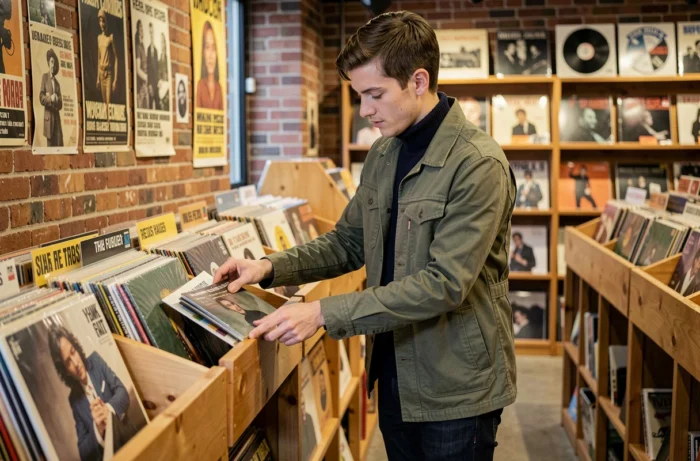
Adopting the fashion trends of 2024 no longer means buying new items every season. In France, circular fashion (second-hand, rental, repair, upcycling) has continued its progression, with an annual growth rate higher than that of the traditional textile market.
The French market for circular transactions experienced its strongest inflection point in 2024. The share of clothing purchases made second-hand now represents a significant fraction of the total.
What this changes for building a unique style
When part of the purchased clothing comes from resale or upcycling, the likelihood of encountering someone wearing the same piece mechanically decreases. Second-hand becomes a vector of differentiation, not just an economic or ecological choice.
- Vintage pieces from the 90s (high-waisted jeans, oversized denim jackets) are more easily found in thrift stores than in new shops, with a worn character that cannot be reproduced in mass production
- Upcycling allows for transforming a mundane garment into a unique piece, for example by reworking seams or adding contrasting patches
- Renting clothes for one-off events avoids the purchase of items worn only once, while providing access to designers outside the usual budget
Personalizing through second-hand is cheaper and produces a more distinctive result than following a trend through standardized new purchases.
Colors and silhouettes for autumn-winter 2024: the gaps between runways and real wardrobes
The autumn-winter 2024 runways showcased pastel colors, bold prints, and structured dresses. On Pinterest and in fashion trend searches, these proposals generated a high volume of queries.
In contrast, the actual adopted wardrobe shows more measured choices. Neutral colors (beige, gray, black, burgundy) remain predominant in purchases. The oversized floral prints or neon tones, which were very present on the runways, mainly fueled fashion content looks without translating into massive sales in accessible ready-to-wear.
The pieces that have actually been worn
The unstructured long coat, thick knitwear, and wide-leg pants dominated autumn-winter 2024 sales. These three categories share a common point: they integrate into an existing wardrobe without requiring a complete overhaul.
Accessories followed the same logic. Medium-sized bags, without visible logos, and flat-soled or low-heeled shoes have taken precedence over the more spectacular models seen on the runway.
Building a sustainable style: the criteria that matter beyond the season
If 2024 has confirmed a direction, it is that the longevity of a piece now takes precedence over its novelty. Consumers who invest in quality clothing then resell them on luxury second-hand platforms, creating a virtuous cycle.
Three criteria help evaluate whether a piece deserves its place in a wardrobe oriented towards style rather than trend:
- Textile composition: a fabric dominated by natural fibers (dense cotton, wool, linen) ages better than a synthetic blend, both visually and to the touch
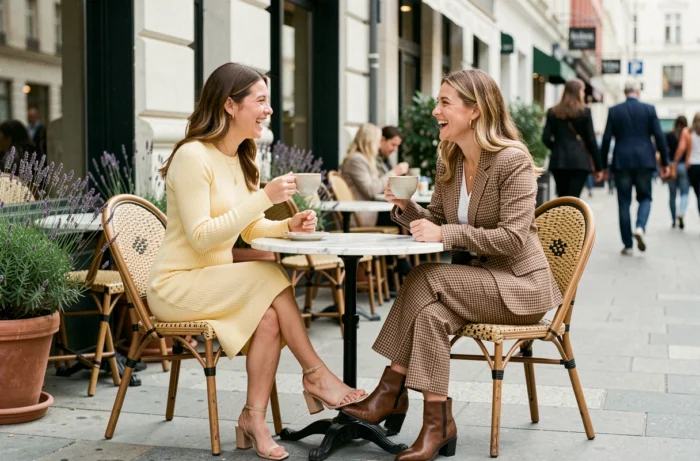
- Timeless cut: straight pants or a slightly oversized blazer can last several seasons without looking dated
- Resale potential: pieces without logos and of good quality retain residual value in the second-hand market, unlike ultra-trendy garments with a short lifespan
Ultra-fast fashion and second-hand exert simultaneous pressure on the clothing recycling system in France. An article from Le Figaro published in 2026 highlighted that this dual dynamic is suffocating textile sorting actors. Choosing durable pieces reduces the volume of textiles to be recycled and alleviates this structural tension.
The fashion trends of 2024 will ultimately have accelerated a sorting process already underway: on one side, disposable garments produced en masse; on the other, pieces designed to last, be resold, and compose a style that does not depend on the runway calendar. The most distinctive wardrobe remains one that does not change completely every six months.