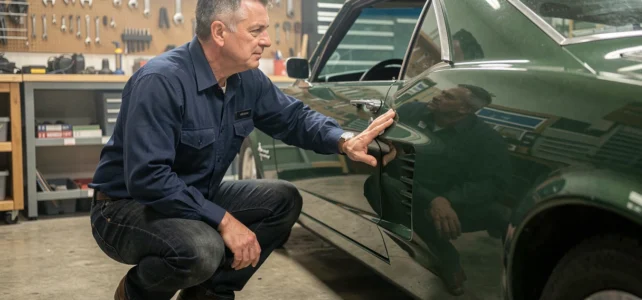
A collector who buys a sedan from the 1980s without checking the ZFE regulations in their city risks ending up with a vehicle that is banned from circulation at home. This factor, which was still marginal a few years ago, now conditions every transaction in the classic car market in France.
ZFE and classic cars: a constraint reshaping purchases
Low emission zones remain mandatory in urban areas with more than 150,000 inhabitants. An attempt to abolish them was censored by the Constitutional Council on May 21, 2026. For enthusiasts of vintage cars, the situation is complicated: there is no permanent national exemption for classic vehicles.
In practical terms, the ability to drive a classic car depends on the local decree of each community. Some cities provide occasional exemptions or day passes, while others do not. Before purchasing a model, one should check the ZFE policy of their municipality of residence and the regular routes planned.
This criterion pushes some collectors towards electric retrofitting or towards post-1997 models that are less affected by Crit’Air restrictions. Enthusiasts looking to deepen their research on models compatible with these constraints can find technical resources on automaniacs.fr, particularly to cross-reference mechanical data and eligibility criteria.
Classic vehicle market: selective consolidation since 2022
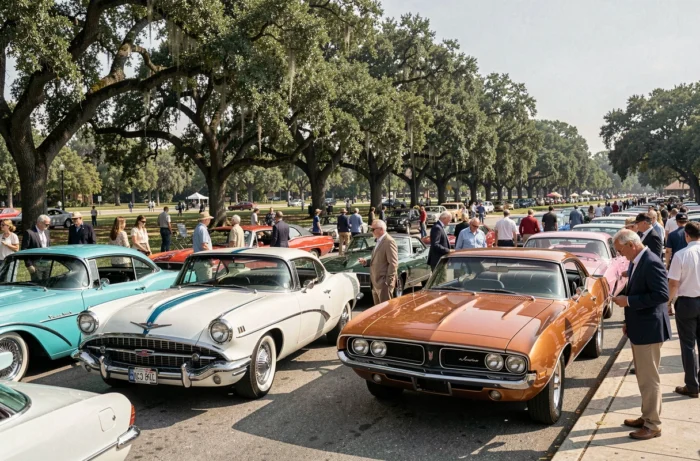
After strong post-COVID growth between 2020 and 2022, the classic car market has entered a phase of consolidation. The HAGI indices, analyzed by Lombard Odier, confirm this overall slowdown in a context of rising interest rates and increased competition from technological investments.
This general observation masks deep disparities. Some iconic models concentrate significant price increases, while the rest of the market stagnates or slightly declines. Iconic Ferraris and Porsches continue to attract the highest bids, but 1990s youngtimers, long undervalued, are gaining ground with a new generation of collectors.
What drives prices up for certain models
Documented rarity remains the primary factor. A vehicle with a complete maintenance history, traceable original parts, and low mileage stands out significantly from the same model without documentation. Feedback on this point varies by brand, but the general trend is clear: proven authenticity is worth more than mere age.
The condition of the bodywork and mechanics also weighs in, provided one can distinguish a proper restoration from cosmetic tinkering. A savvy buyer inspects the welds, checks the correspondence of serial numbers, and systematically requests a recent technical inspection, even if it is no longer mandatory for classic vehicles registered under a classic registration.
Classic registration and insurance: concrete pitfalls
Registration under classic status offers advantages (no periodic technical inspection, the possibility of driving with black plates), but it also imposes usage limits. One cannot use a registered classic vehicle as a daily means of transport without risking a denial of coverage by the insurance in case of an accident.
The insurance contract must correspond to the actual use of the vehicle. Specialized classic insurance generally requires that the owner has another vehicle for their everyday travel. Rates remain moderate compared to standard insurance, but conditions vary by company.
Points to check before signing
- The annual mileage clause: some contracts cap at a few thousand kilometers per year, which can block rally outings or trips to gatherings
- The agreed value: having the vehicle appraised by an independent expert before subscribing helps avoid underinsurance in case of total loss
- Exclusions related to ZFE: check if the insurer covers a vehicle operating in an area where it is theoretically prohibited, even with a day pass
Maintenance and spare parts: the true budget of a vintage car
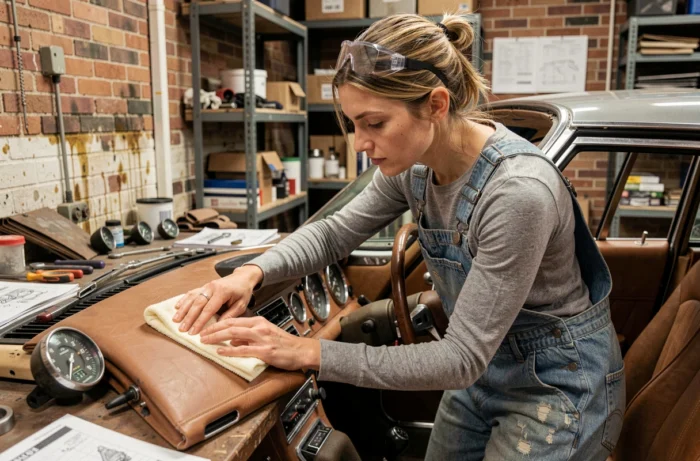
The purchase price of a classic car represents only a fraction of the actual cost of ownership. Regular maintenance and the availability of spare parts determine the viability of the project. For some popular models (pre-1990 Porsche 911, Citroën DS, Alfa Romeo GTV), the network of parts suppliers remains dense. For more obscure models, a simple hose or head gasket can require weeks of searching.
There are three main areas of expense:
- Regular mechanics (oil changes, brakes, ignition): doable in a general garage if the mechanic agrees to work without electronic diagnostics
- Bodywork and painting: prices rise quickly when it comes to custom sheet metal work or reproducing period colors
- Electrical systems and wiring: on vehicles from the 1960s-1970s, wiring ages poorly and intermittent failures are common
Storing the vehicle in a ventilated garage, protected from moisture, significantly reduces restoration costs. Poorly prepared winter storage (battery not disconnected, flat tires for months) causes silent but costly damage.
The choice of model determines the annual budget as much as the purchase price. Before falling for a prestigious brand, one should estimate the cost of the most common parts and identify at least two reliable suppliers. This discipline avoids unpleasant surprises and allows one to truly enjoy their classic car on the road.